How Smart Appliances Enhance Modern Living
As technology continues to evolve, smart appliances have become a staple in modern households, offering convenience and efficiency. In this article, we explore how these devices can enhance your daily life by optimizing everyday tasks.
Understanding Smart Appliances
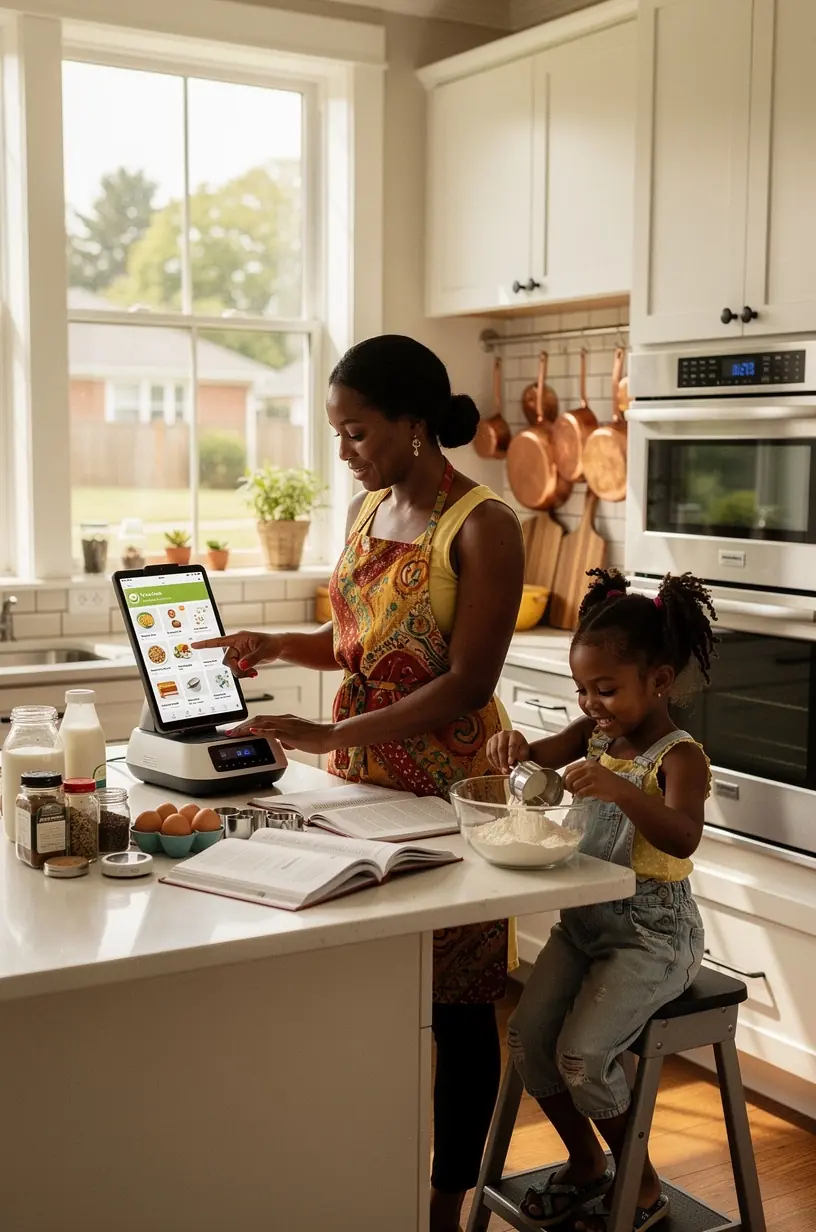
Smart appliances are devices connected to the internet that can be controlled remotely or programmed to perform specific functions automatically. According to industry experts, these devices can significantly reduce the time and effort needed for household chores. For instance, smart refrigerators can monitor food supplies and suggest recipes based on what you have, while smart washing machines can operate on your schedule, making daily tasks more manageable.

"Smart appliances are transforming the way we manage our homes, leading to greater efficiency and a more connected lifestyle." - Home Automation Expert
Benefits of Smart Appliances
Integrating smart appliances into your home typically involves an initial investment but can lead to substantial long-term benefits. Here are a few key advantages:
- Time Savings: Many users report that smart appliances can save them considerable time in their daily routines. For example, a smart oven can preheat while you prepare your meal, which may reduce cooking time by up to 20%.
- Energy Efficiency: Research indicates that smart appliances, like smart thermostats, can lead to energy savings of approximately 10-30%, translating into lower utility bills.
- Remote Access: With smart appliances, you can control and monitor your home from virtually anywhere. This is particularly beneficial for those who are often away from home, as it can enhance security and provide peace of mind.
Challenges and Considerations
While the advantages are significant, there are also challenges to consider:
- Smart appliances often require a reliable internet connection. In rural or less-connected areas, this may present limitations.
- Many smart devices involve a learning curve. Users may need time to familiarize themselves with the apps and settings to maximize their functionality.
- Typically, integration with existing home systems may require additional hardware or software, which could increase initial costs.
Real-World Applications
To fully realize the benefits of smart appliances, it is important to implement them thoughtfully. Here are some practical steps to get started:
- Assess Your Needs: Determine which tasks take up the most time in your daily routine and consider which smart appliances could help streamline them.
- Research Options: Review various models and brands. Look for devices with good customer reviews and support to ensure reliability.
- Plan for Integration: Consider how new appliances will fit into your existing home setup. Make sure your home network can handle the additional devices.
Conclusion
Smart appliances represent a significant step towards a more efficient and connected way of living. By understanding their capabilities, benefits, and potential challenges, you can make informed decisions that enhance your lifestyle. While adapting to these technologies may take some effort initially, the improvements in convenience and efficiency can be well worth it in the long run.
Learn More